TL;DR: The Legal Translation Buyer’s Guide
- The Risk: In legal contexts, translation is a risk category not an administrative task. One conceptual error can invalidate a contract or trigger years of arbitration.
- Human Necessity: Singapore courts and government bodies (ICA, MOM, ACRA) require certified human translation AI and machine translation do not meet these legal certification standards.
- The Workflow: Professional legal translation requires a 5-stage process: Assessment, Specialist Translation, Independent Legal Review, Accuracy Pass, and Formal Certification.
- Cost: Lettercrafts Certified legal translations in Singapore for 2026 start at S$38 per page.
When a Single Word Costs Millions
A few years ago, a Singapore-seated arbitration went sideways not because of the facts, but because of a word.
The English shareholders' agreement gave one party the right to appoint a director "at its sole discretion." The Mandarin version, prepared by a general translation agency, rendered this as 经双方协商同意 roughly, "upon mutual agreement of both parties."
The legal implications were diametrically opposite. "Sole discretion" is a term of art in common law. It creates a unilateral power. There is no neat equivalent in the Chinese legal drafting tradition, where commercial agreements are typically framed collaboratively. Rendering it without that legal awareness didn't produce a translation; it produced a different contract.
What followed was nearly two years of SIAC proceedings. The costs dwarfed the original deal value. The translator hadn't been careless. The language was grammatically correct. The problem was conceptual, and that is precisely the kind of problem that separates legal translation from every other form of translation work.
When a single mistranslated phrase triggers years of arbitration proceedings and costs that exceed the original deal value, "translation" stops being an administrative task and becomes a professional risk category of its own.
That is the reality of legal translation in Singapore. And it is the lens through which this entire guide is written.
This is not a general explainer. It is written for legal professionals, corporate counsel, law firm partners, and judiciary stakeholders who need clear, actionable answers before a document changes hands.
What Is Legal Translation?
Legal translation is the conversion of legally binding documents, court materials, or regulatory instruments from one language into another while preserving not just the words, but the legal meaning, intent, and operative effect of the original.
That last part is what separates it from every other kind of translation work.
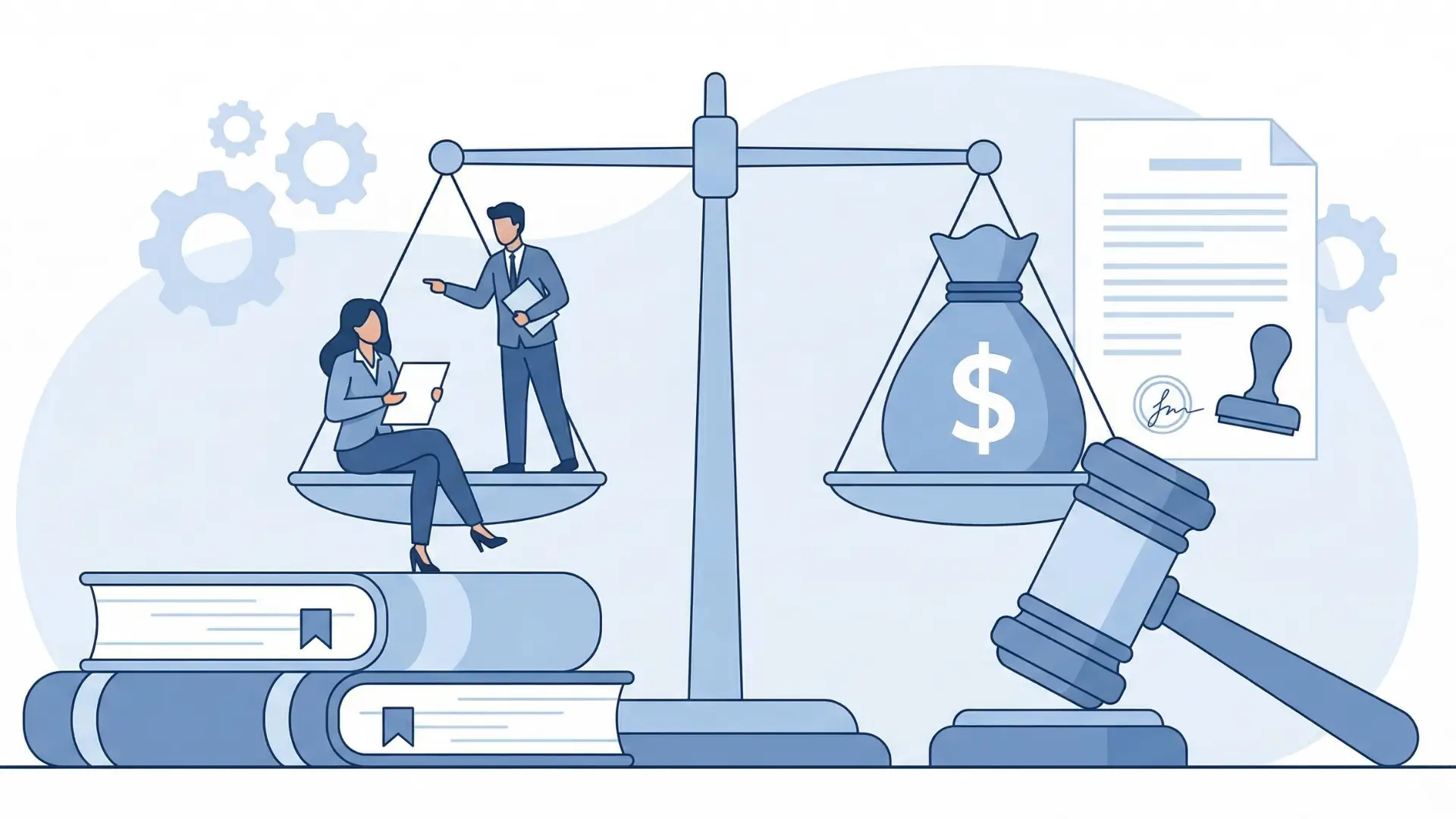
When you translate a marketing campaign, the stakes of an imprecise word choice are reputational at worst. When you translate a contract, a court submission, a patent claim, or a regulatory filing, an imprecise word choice can:
- Create obligations no party intended to accept
- Eliminate protections that were specifically negotiated
- Render a document inadmissible as evidence
- Trigger regulatory enforcement where compliance was intended
- Produce a fundamentally different legal instrument than the original
Legal translation operates within two closed systems simultaneously, the source language's legal framework and the target language's legal framework. The translator's job is not to find the most linguistically similar phrase. It is to find the expression in the target language that creates the same legal consequence as the original.
This requires a translator who understands law, not just language.
What Types of Documents Require Legal Translation in Singapore
The scope is broad. In Singapore's multilingual, international-dispute-hub context, legal translation applies across every category of legal work.
Contracts and Commercial Agreements
Shareholders' agreements, sale and purchase agreements, joint venture documents, loan facilities, distribution arrangements, licensing contracts, and any commercial instrument where parties operate across language boundaries. These documents carry the highest conceptual translation risk because defined terms and operative clauses must function identically in both languages.
Court Documents and Litigation Materials
Pleadings, originating summonses, affidavits, supporting exhibits, court orders, judgment extracts, expert reports, and witness statements. For SIAC and SICC proceedings, this extends to the full evidentiary record. With the SIAC receiving 886 new cases in 2025, its second-highest figure ever, involving parties from a record 79 jurisdictions, the volume of documents requiring certified translation for Singapore-seated proceedings continues to grow year over year.
Intellectual Property Filings
Patent specifications, trademark opposition documents, and IP assignment recordals at IPOS. Patent claims combine highly technical language with absolute precision; a mistranslated limitation in a patent claim can invalidate the entire scope of protection.
Corporate Compliance and Regulatory Documentation
ACRA filings, board minutes, due diligence materials, AML/CFT compliance records, MAS regulatory submissions, and PDPA-related documentation. With Singapore's PDPA carrying penalties of up to S$1 million or 10% of annual turnover for non-compliance, the accuracy of translated compliance documentation is not optional.
Estate, Probate, and Employment Documents
Foreign wills, grant of probate orders, beneficiary declarations, property transfer instruments, employment contracts, work pass applications, and professional qualification certifications all regularly require legal translation in Singapore's multilingual environment.
The Legal & Linguistic Landscape in Singapore
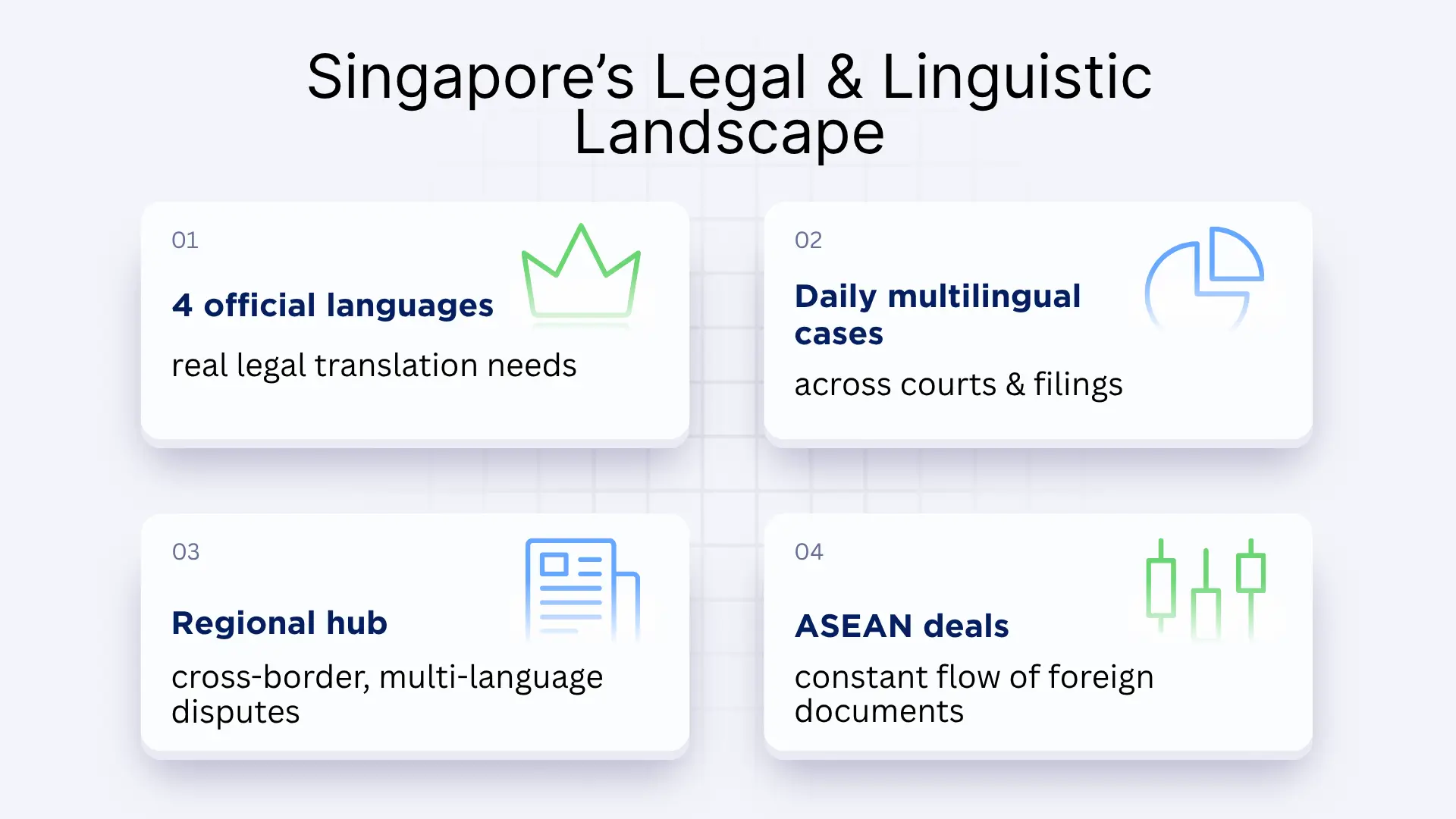
Four Official Languages, One Common Law Jurisdiction
Singapore's linguistic architecture is deliberate and constitutionally embedded. English is the language of legislation, courts and commerce, but Mandarin, Malay, and Tamil hold co-official status, each carrying real legal weight. The National Language is Malay. Tamil and Mandarin are recognised community languages with statutory protections.
This is not symbolic multiculturalism. It creates concrete translation obligations across government, the judiciary, and the legal profession. The courts recognise language rights in criminal proceedings. Family law cases regularly involve documents in multiple languages. Immigration filings, probate proceedings, and corporate registry submissions all interact with this multilingual reality daily.
Singapore as the Region's Legal Infrastructure
Beyond its domestic character, Singapore functions as the legal infrastructure for Southeast Asian commerce. The SIAC is among the world's five most-used arbitral institutions. In 2025, it received 886 new cases with a record total of US$14.53 billion in dispute value, involving parties from 79 jurisdictions. The Singapore International Commercial Court (SICC) was specifically designed to attract international disputes. Maxwell Chambers hosts more international arbitration hearings than virtually any facility in Asia.
The practical consequence: legal proceedings structured in Singapore regularly involve parties, witnesses, documents, and evidence from across the region. Indonesian corporate records, Vietnamese construction contracts, Japanese licensing agreements, and Korean board resolutions all of these flow through Singapore's legal ecosystem. Each one requires translation that can withstand adversarial scrutiny from sophisticated opposing counsel.
The ASEAN Commercial Dimension
ASEAN's economic integration has accelerated the volume of cross-border transactions involving Singapore entities. M&A activity, joint ventures, infrastructure financing, and intellectual property licensing across the region now commonly involve Singapore as the governing law jurisdiction or transaction hub. That means due diligence materials, representations and warranties, closing documents, and post-completion compliance records in a dozen languages pass through Singapore legal teams on a routine basis.
Regional Context
The SIAC's caseload consistently involves parties from China, India, Malaysia, Indonesia, and South Korea as the most frequent foreign party origins, each bringing documents in their respective languages into Singapore-seated proceedings.
Why Legal Translation Is Genuinely High-Stakes
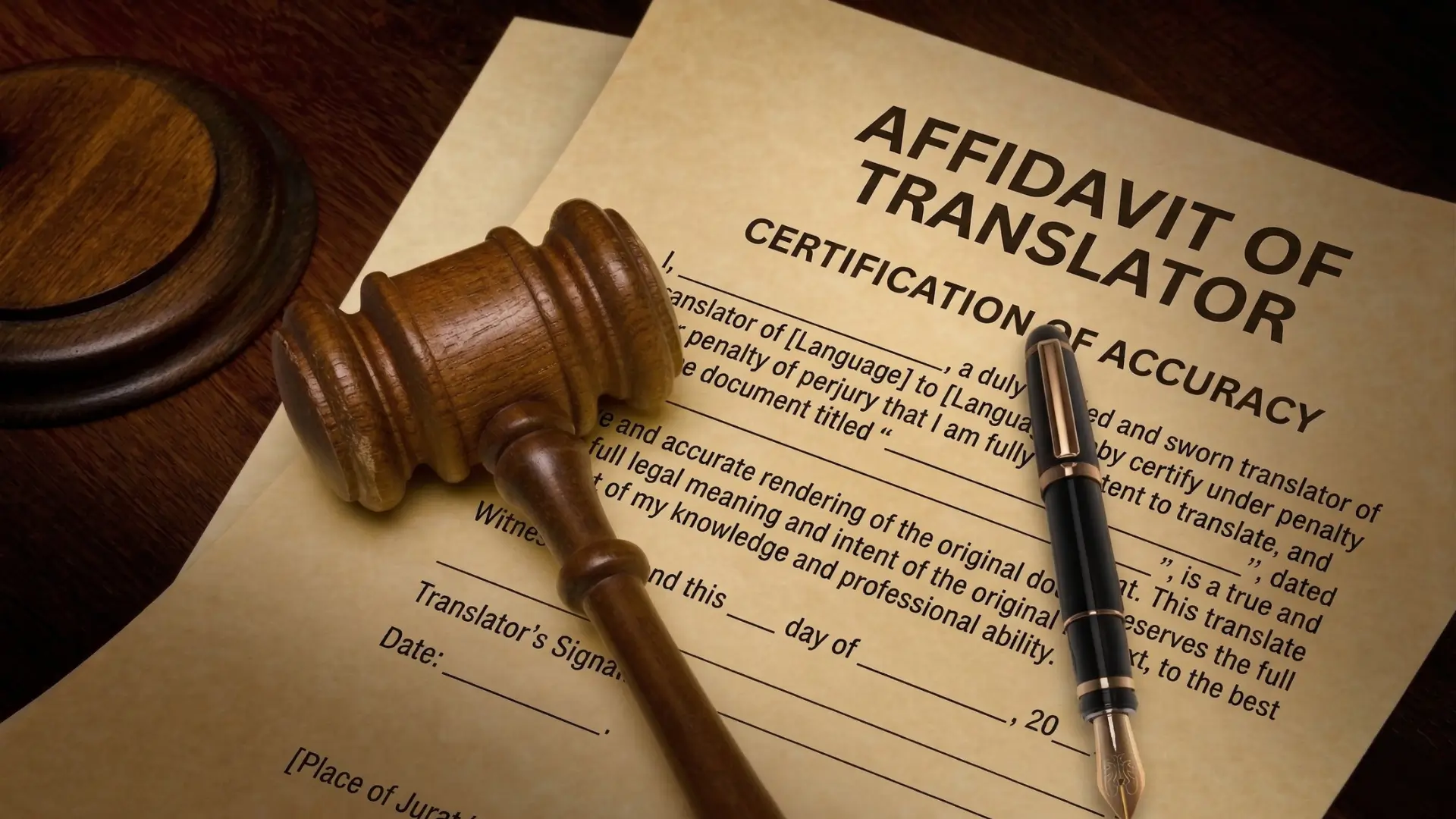
Legal professionals understand risk in precise, quantifiable terms. The risks introduced by inadequate legal translation are not abstract; they fall into identifiable categories, each with real exposure.
Contractual ambiguity: Divergent language versions create disputes about what was actually agreed. These discrepancies are often discovered only when enforcement is sought, by which point the damage is irreversible and the cost of resolving the ambiguity far exceeds the cost of proper translation.
Evidentiary rejection: Courts and tribunals declining to admit improperly certified or inaccurate translations, weakening the evidentiary record at critical moments. In adversarial proceedings, opposing counsel will challenge a translation's accuracy if they can identify even a single material discrepancy.
Regulatory non-compliance: Mistranslated compliance documentation triggering MAS, PDPC, or ACRA enforcement. This is particularly acute in AML/CFT and data protection contexts, where the accuracy of translated records can determine whether an organisation is found to have met its obligations.
Privilege exposure: Sensitive legal materials were transmitted to translation providers without adequate confidentiality controls. This is a privilege and data protection risk that is frequently overlooked and one that intersects directly with Singapore's PDPA obligations.
"A translation error in the right document can create liability, compromise privilege, delay proceedings, or simply render months of careful legal work unenforceable."
How Legal Translation Actually Works: The Five-Stage Process
Understanding the process tells you what to look for and what to insist on when evaluating any provider. A credible legal translation workflow is not a single step. It is a structured, multi-stage process with quality gates at each stage.
Stage 1: Document Review and Scope Assessment
Before translation begins, a specialist reviews the source document to identify its nature, governing legal system, subject matter complexity, and any areas of particular sensitivity. This is where terminology flags are raised, terms of art, defined terms, and jurisdiction-specific concepts, so they can be handled deliberately rather than on the fly.
This stage also determines which translator is the right match. A translator handling an SIAC arbitration record should have familiarity with international commercial arbitration. A translator handling a Japanese licensing agreement should understand both Japanese corporate law and Singapore contract law. Language pair is one qualification; legal domain expertise is another.
Stage 2: Initial Translation by a Qualified Specialist
The translation is conducted by a professional with both linguistic and legal competence in the relevant pair. "Legal competence" means either formal legal training, paralegal qualification, or demonstrable years of experience specifically in legal translation, not general commercial work.
Critical decisions at this stage include how to handle untranslatable legal concepts (providing the closest functional equivalent, using a transliteration with an explanatory note, or retaining the source term with explanation), how to maintain consistency of defined terms throughout the document, and how to preserve the operative structure of the document conditions precedent, representations and warranties, indemnities, carve-outs not just the prose.
Stage 3: Independent Legal Review
A second qualified professional, ideally with specific expertise in the document type, reviews the translation against the source. This is not proofreading. It is a substantive legal accuracy check. The reviewer is asking whether the translated document creates the same legal rights, obligations, and consequences as the original. Discrepancies are flagged and resolved.
Stage 4: Source Accuracy Check
A final pass compares the translated text against the source document, line by line and section by section. This catches errors that the review stage may have corrected for meaning, but inadvertently introduced at the level of completeness, missing clauses, transposed section references, and omitted schedules.
Stage 5: Certification
Certification is issued only after the preceding stages are complete. The certified translator's declaration confirms their identity and qualifications, that the translation is accurate and complete to the best of their knowledge, and the date of translation. The declaration carries the translator's original signature.
Certification is not a rubber stamp. It is a formal attestation of professional responsibility for the accuracy of the work.
A Note on Machine Translation in Legal Work
Neural machine translation has improved significantly. For many applications, internal summaries, preliminary document review, and general commercial content, it is useful and efficient.
For certified legal translation, it is not a substitute for human expert judgment.
The gap between "linguistically plausible" and "legally accurate" is precisely where legal risk accumulates. Machine translation systems are optimised for linguistic fluency. They are not trained to identify when a grammatically correct translation creates a different legal obligation than the original. The shareholders' agreement example at the top of this guide is a perfect illustration: a machine would have produced the same error, because the error was conceptual, not linguistic.
Singapore courts require that foreign-language documents submitted as evidence be accompanied by certified translations prepared by a qualified human translator. Machine-generated translations, even AI-assisted ones, do not satisfy this requirement because they cannot be certified by a qualified professional in the manner the rules require.
Some providers use machine translation as a draft-generation tool and then apply expert legal review. This is a legitimate workflow question worth asking any provider you evaluate: what role, if any, does machine translation play in their process, and at what point does qualified human review occur?
Court Translators vs. Private Legal Translators: Which Do You Need?

Both roles exist in Singapore and serve distinct functions. Understanding the difference is essential.
Court Interpreters and Translators
Singapore's State Courts, High Court, and Court of Appeal employ or appoint interpreters and translators for proceedings conducted before them. The courts provide translation services from Chinese, Malay, and Tamil into English only, and only for documents to be filed or used in court proceedings. The fee is S$45 per translated page.
Court interpreters are appointed by the court, not by the parties. They are relevant when a witness requires interpretation during oral testimony, the court requires interpretation of an exhibit during a hearing, or a party is not proficient in English and requires assistance in understanding proceedings. Importantly, the courts may decline translation requests if documents contain specialised technical terms, the request is made at short notice, or the documents are for private use.
Private Legal Translation Services
Private providers are engaged directly by law firms, corporate legal teams, government agencies, and individuals for certified translations of documents for court or tribunal submission, translation of transactional documents, regulatory submissions (ICA, MOM, ACRA, IPOS, MAS), due diligence materials in M&A, and evidence and supporting documents in arbitration proceedings.
This is where the full weight of the quality considerations in this guide applies. The private legal translation provider is entirely the responsibility of the engaging party, which means the quality risk, confidentiality risk, and compliance risk all sit with the engaging party and their counsel.
The Practical Decision
Ask one question: Is the need oral (real-time interpretation during proceedings) or documentary (certified translation of written materials)? Oral needs involve court interpreters. Documentary needs involve private legal translation services. Most legal translation needs arising in a Singapore law firm context are documentary.
In complex cases involving foreign-language witnesses and extensive documentary evidence, you may need both, but these are separate engagements with different providers, timelines, and quality requirements.
How to Choose a Legal Translation Service in Singapore
This is the decision with the most direct risk consequences. The evaluation criteria that matter are not the ones most prominently advertised.
The Questions That Actually Separate Good from Dangerous
-
Who specifically will translate this document?
Not "what is your team like?" Who, specifically, will handle this engagement? A credible provider can name the translator, describe their legal qualifications, and explain why they are the right match for this document type. A provider who responds with vague assurances about "expert teams" without naming a specific qualified individual is telling you something important.
-
What is their legal background?
Linguistic competence and legal competence are different qualifications. The translator should have formal legal training, paralegal qualification, or demonstrable specialist experience in legal translation, not general commercial or technical work in the relevant language pair and document type.
-
What professional certifications do they hold?
Singapore does not maintain a government-accredited legal translator register. But internationally recognised certifications from the Chartered Institute of Linguists (CIoL), the American Translators Association (ATA), or Australia's NAATI are verifiable markers of professional standard.
-
What is the quality assurance process?
A credible workflow has at a minimum three stages: initial translation, independent legal review, and final source accuracy check. If the provider's process amounts to one translator working against a deadline, it is not equipped for legal work.
-
What are the confidentiality protocols?
Before any document changes hands: Is there a standard NDA? Who has access? What is the transmission protocol? What is the data retention policy? Does the workflow involve AI tools, and if so, which ones, and do they process documents through external servers? This last question intersects directly with legal professional privilege and Singapore's PDPA.
-
What certification do they provide?
Certification requirements vary between Singapore courts, ICA, MOM, ACRA, IPOS, and arbitral institutions. A provider who can confirm the specific requirements for your receiving authority before work begins is materially different from one who provides generic certification and assumes it will be fine.
-
Do they carry professional indemnity insurance?
A provider taking professional responsibility for legal translation accuracy should be insured. A provider who disclaims all liability in their terms has transferred all risk to you.
Provider Evaluation Matrix
| Criterion | What Good Looks Like | Warning Signs |
|---|---|---|
| Translator qualifications | Named translator, verifiable legal background, relevant domain experience | Anonymous pool; vague credential claims |
| Quality process | Three-stage: translate → legal review → source check | Single-pass; "expert review" without specifics |
| Confidentiality | Standard NDA, named access, encrypted transmission, clear AI policy | No NDA offered; AI use undisclosed or vague |
| Certification | Knows your receiving authority's specific requirements | Generic certification assumes compliance |
| Legal domain knowledge | Familiarity with SIAC, Singapore courts, and relevant statutes | Legal is listed alongside marketing and technical without distinction |
| Turnaround | Realistic timelines reflecting complexity; explains trade-offs | Promises overnight delivery of complex agreements |
| Indemnity | Confirms professional indemnity coverage | Full liability disclaimer in standard terms |
Build a Relationship, Not a Marketplace Transaction
Legal teams with ongoing translation requirements are significantly better served by establishing a relationship with a provider than by sourcing each project transactionally. A provider who understands your practice areas, your client base's language profile, your preferred terminology, and your typical document types performs at a different level from one encountering your documentation style for the first time.
The fixed cost of onboarding briefing them on jurisdiction focus, terminology preferences, and confidentiality requirements pays dividends across every subsequent engagement through faster turnaround, more consistent output, and fewer revision cycles.
What Can Go Wrong in Legal Translation and How
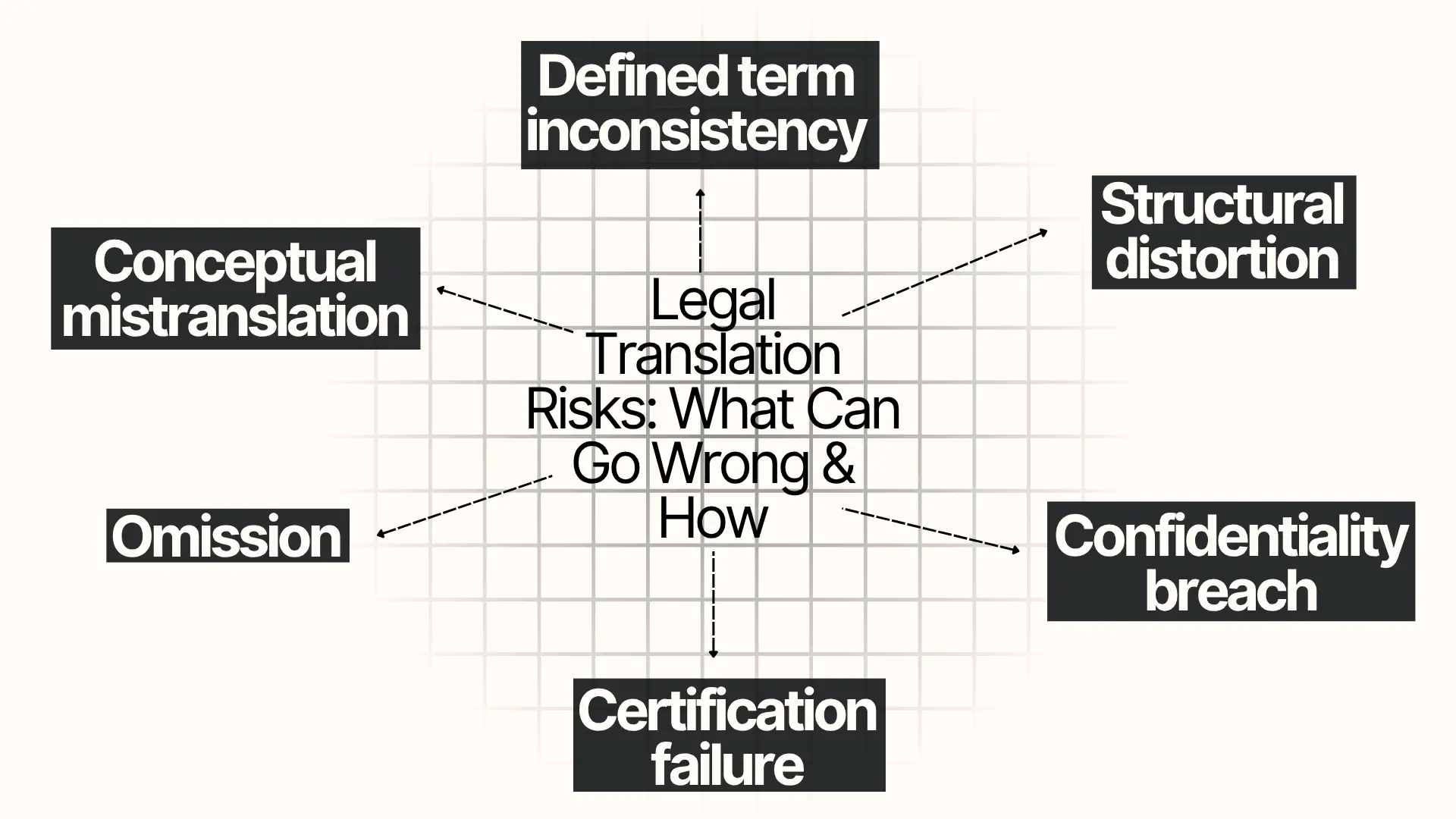
Understanding common failure modes helps you evaluate providers and build appropriate safeguards into your workflow.
Conceptual mistranslation: The most dangerous category. A term of art in one legal system is rendered as a linguistically correct but legally different concept in another. The "sole discretion" example is classic. Other frequent offenders include the distinction between "shall" (mandatory) and "may" (permissive), the difference between "representations" and "warranties" in common law jurisdictions, and concepts like "force majeure" that carry different implied scopes across legal traditions.
Defined term inconsistency: A defined term is translated one way in the definitions section and differently in the operative clauses. This creates an internal contradiction within the translated document, a problem the source document does not have.
Structural distortion: The hierarchy of provisions, which is a condition precedent, what is a representation, what is an indemnity, is flattened or rearranged in translation. The translated document reads as prose but does not function as the same legal architecture.
Omission: Clauses, schedules, or annexures are missed entirely. This happens more frequently than you would expect, particularly in large document packages under time pressure.
Certification failure: The translation is accurate, but the certification does not meet the receiving authority's specific requirements. The document is rejected not because of quality but because of form, and the timeline cost of resubmission can be significant.
Confidentiality breach: Documents containing privileged or confidential information are processed through tools, platforms, or workflows that expose them to third parties or AI systems with external data processing. This is increasingly common as providers adopt machine learning tools without adequate data governance.
How Lettercrafts Helps in the Legal Sector
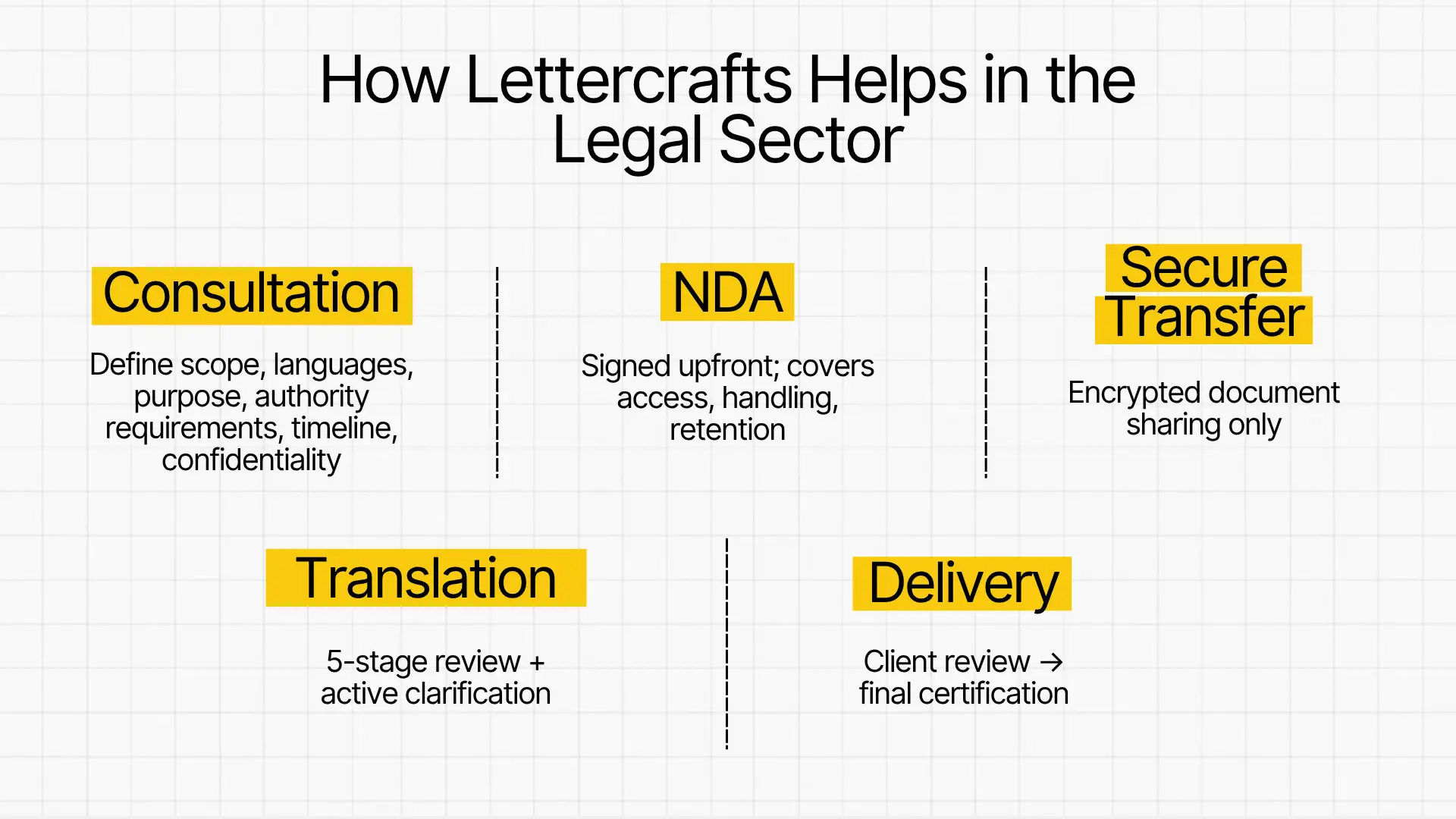
Many legal buyers engage translation services under deadline pressure without a clear understanding of what the engagement involves. Here is what a properly structured Lettercrafts engagement looks like.
Step 1: Initial Consultation and Scope Definition
Before any document is shared, the engagement begins with a consultation that establishes the nature and volume of documents, the language pairs involved, the purpose of the translation, the receiving authority's specific certification requirements, the required turnaround, and any particular confidentiality considerations.
Step 2: Confidentiality Documentation
Before documents change hands, a Non-Disclosure Agreement is in place as standard. Lettercrafts' NDA covers the specific matter, names the individuals who will have access, and addresses data handling and retention. This is initiated at the outset of every engagement, not on request.
Step 3: Secure Document Transmission
Documents are transmitted through encrypted channels. Standard unencrypted email is inconsistent with PDPA obligations and, in many contexts, a privilege risk. Secure document transmission is standard across all Lettercrafts engagements.
Step 4: Translation and Multi-Stage Review
Lettercrafts' five-stage quality process is applied to every legal document. For complex commercial documents, this takes the time it requires. A 50-page shareholders' agreement with a dense defined-terms architecture cannot be translated to a professional standard overnight. Active communication during this stage addresses terminology choices and concepts without direct equivalents in the target language.
Step 5: Delivery, Review, and Certification
The translated document is delivered with Lettercrafts' certification declaration. Clients are encouraged to review the translation against the source at a minimum at the level of document structure, defined terms, and operative provisions before relying on it. Certification is issued once the final document is confirmed as accurate and complete.
Lettercrafts provides certified translations accepted by all Singapore government bodies, with the option to arrange affidavit signing and translator court appearance on request. All translators are bound by NDAs and governed by Singapore's data protection requirements. Translations are delivered in draft for client approval before final certification because the best quality process includes the client's own subject matter knowledge.
Conclusion
Singapore's legal system functions because it takes language seriously. Its courts are respected internationally because agreements are enforced as written and evidence is evaluated as presented. That rigour depends entirely on words meaning what they are supposed to mean in every language in which they appear.
The guidance in this article is straightforward in principle: verify expertise before documents are shared, confirm certification requirements before work is commissioned, treat confidentiality as non-negotiable, and build translation into professional timelines rather than treating it as a last-minute logistics task.
The decisions that protect the work are the ones made before the pressure arrives.
Need Legal Translation in Singapore? Lettercrafts provides certified legal translations accepted
by all Singapore government bodies, courts, and tribunals. Starting at S$38 per page. No GST.
Quotes within 30 minutes. Confidentiality guaranteed through NDAs on every engagement.