Executive Summary (Launch Answers for Time-Strapped Executives):
The Risk: In Singapore, translation is not only concerned with the language, but also with the ICA, MAS, and HSA.
The Cost: PR application or medical dossier mistakes can get the country and the company into trouble.
Top Requirement: Agencies in Singapore (MOM, ICA) have a “Zero-Omission” policy. Even blanks, stamps, and watermarks have to be translated.
In Singapore, translation isn't just administrative paperwork; it's risk management. For business leaders the days of relying on "good enough" tools like Google Translate are over. The cost is simply too high.
In high-stakes fields like law or healthcare, a bad translation isn't just a typo. It’s a lawsuit waiting to happen, a rejected claim, or a merger falling apart at the eleventh hour.
The hard truth: Most PR applications in Singapore aren't rejected because the applicant isn't qualified. They fail because of administrative errors, usually messy or incomplete translations. Accuracy isn't a luxury here; it’s the only way to get your foot in the door.
Here are the 7 industries in Singapore where the importance of language will be at its highest in 2026.
1. Legal and Judiciary
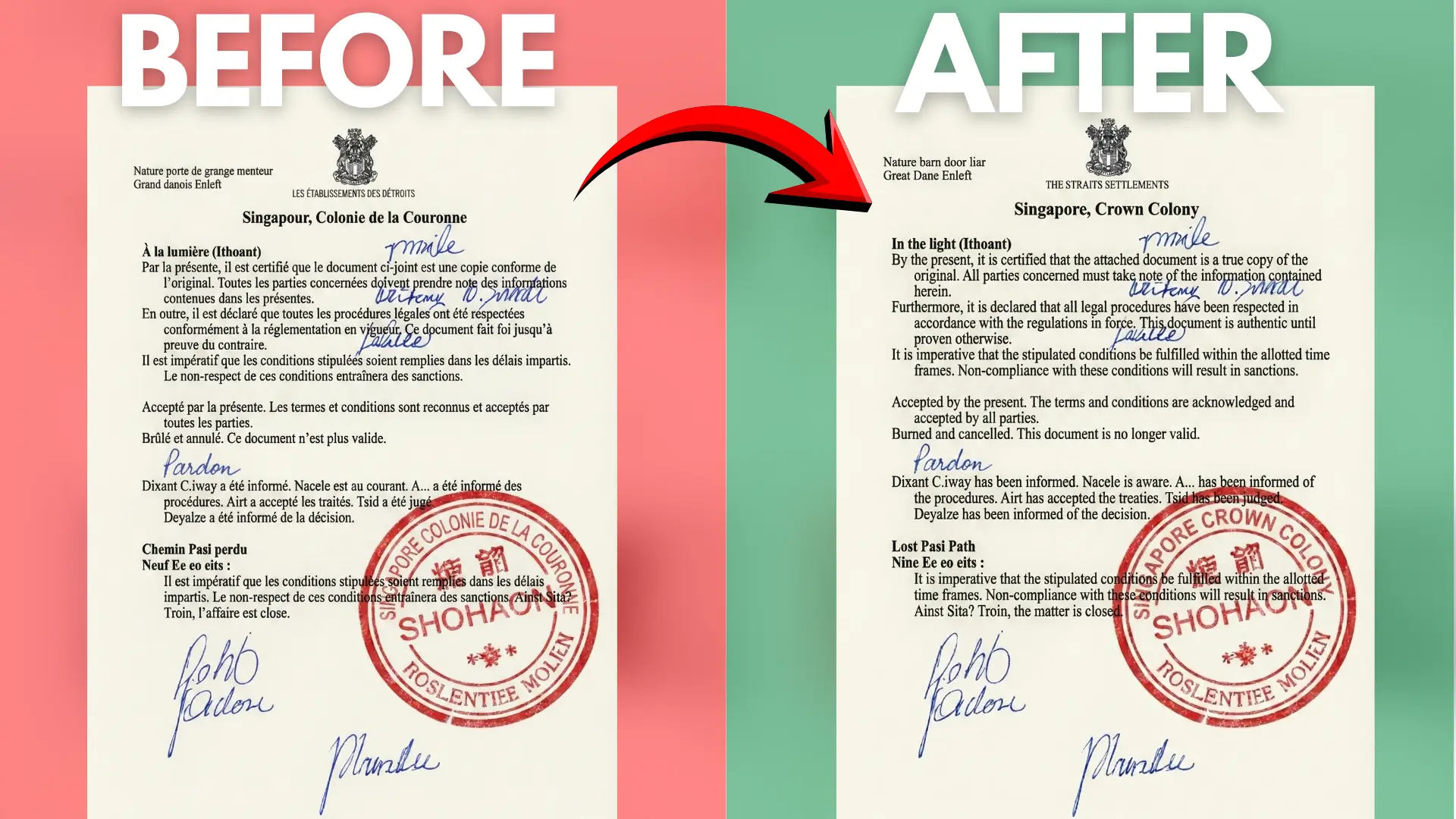
The Challenge: Understanding the 'No Omission' Situation
Legal ambiguity in documents of the Singapore Legal Industry is non-existent. Legal translation in Singapore involves comparative law and translation practitioners who understand the source legal system in comparison to the Singapore Common Law.
The "Zero-Omission" Standard
Government agencies like the Immigration & Checkpoints Authority (ICA) and Ministry of Manpower (MOM) enforce a strict "Zero-Omission" policy.
- The Trap: Applicants often translate the text but ignore the visuals.
- The Requirement: Every visual element faint official stamps, handwritten annotations, watermarks, and even "Page 1 of 2" footers, must be translated and transcribed.
- The Consequence: Omitting a stamp or signature reference is grounds for immediate rejection.
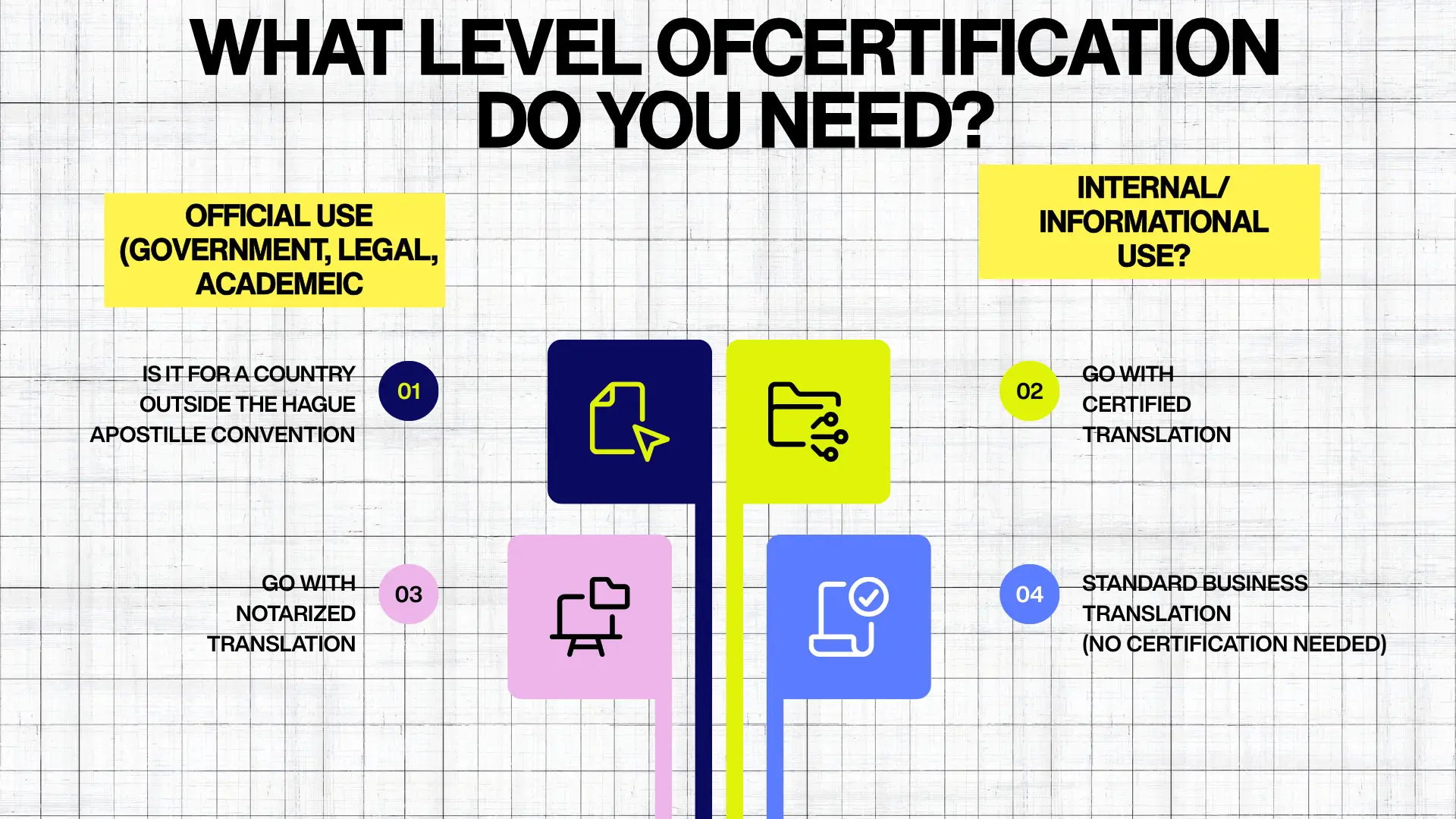
Decision Guide: Certified vs. Notarized ?
- Certified Translation: Usually sufficient for MOM and academic institutions.
- Notarized Translation: Mandatory for ICA Permanent Residency (PR) and Citizenship applications. This requires a Notary Public to verify the translator's credentials under oath.
- The Consequence: Omitting a stamp or signature reference is grounds for immediate rejection.
2. Medical and Healthcare

The Challenge: The Safety and Dialect Gap
As a premier medical tourism hub, "trust" in Singapore healthcare relies entirely on accurate communication.
Regulatory Compliance (HSA GN-23)
The Health Sciences Authority (HSA) is stringent. While English labeling is standard, Class B, C, and D medical devices require technical dossiers and Instructions for Use (IFU) to be translated with absolute terminological consistency under GN-23 guidelines.
The "Silver Generation" Dialect Crisis
A critical safety gap involves Singapore’s elderly. Approximately 23% of adverse drug events in this demographic are linked to language barriers.
- The Fix: We must shift from literal Translation to Transcreation in dialects like Hokkien, Teochew, and Cantonese.
- Real World Example: In some dialects, the expression "once a day" may be confusing if translated literally. For example, if it is "transcreated" into "take this every day," it would become more understandable for an elderly patient.
3. Banking, Finance, and Fintech

The Challenge: Surviving the ISO 20022 Migration
In Singapore’s financial center, "close enough" is a compliance violation. The margin for error here is zero.
The "MAS Rewrite" & ISO 20022 The Monetary Authority of Singapore (MAS) has fundamentally shifted the landscape by adopting the global ISO 20022 XML standard. This isn't just a formatting update; it's a data integrity test.
The Hidden Trap: Firms are now required to report Unique Transaction Identifiers (UTI) and Unique Product Identifiers (UPI) for OTC derivatives.
Why Generic Translation Fails: Standard translation tools often mistake these alphanumeric codes for translatable text. They accidentally "fix" or translate the code, corrupting the XML tags in the process. You don't just need a translator; you need a linguist who understands how to protect your code structure during the localization process.
4. Real Estate

The Challenge: Protecting Your License in the UHNW Surge
With the massive influx of Ultra-High-Net-Worth (UHNW) families and Family Offices in Singapore, the stakes for real estate contracts have never been higher.
More Than a Courtesy: The CEA Code of Ethics: Under Section 11 of the CEA Code of Ethics, the responsibility is on you. You must ensure your clients fully understand every clause. If your client is a native Mandarin or Bahasa Indonesia speaker and you provide an English-only contract without a certified translation, you aren't just being unhelpful; you’re likely in breach of ethics.
The "Freehold" Liability: Mistranslating a single term like "Freehold" versus "Leasehold" or "In-principle approval" isn't a small mistake. In a Sales and Purchase Agreement (SPA), it can lead to a "misrepresentation of fact" lawsuit. To protect your commission and your career, "close enough" translation isn't an option.
5. Education and E-learning

The Challenge: The Global Student Pipeline
AEIS & S-AEIS Compliance
International students applying to government schools via the Admissions Exercise for International Students (AEIS) must provide translated birth certificates and transcripts.
- Pro Tip: These translations must follow specific formatting standards that mirror the original document layout perfectly. This allows Ministry of Education (MOE) officials to easily cross-verify the English against the original without guessing where to look.
6. Hospitality and MICE
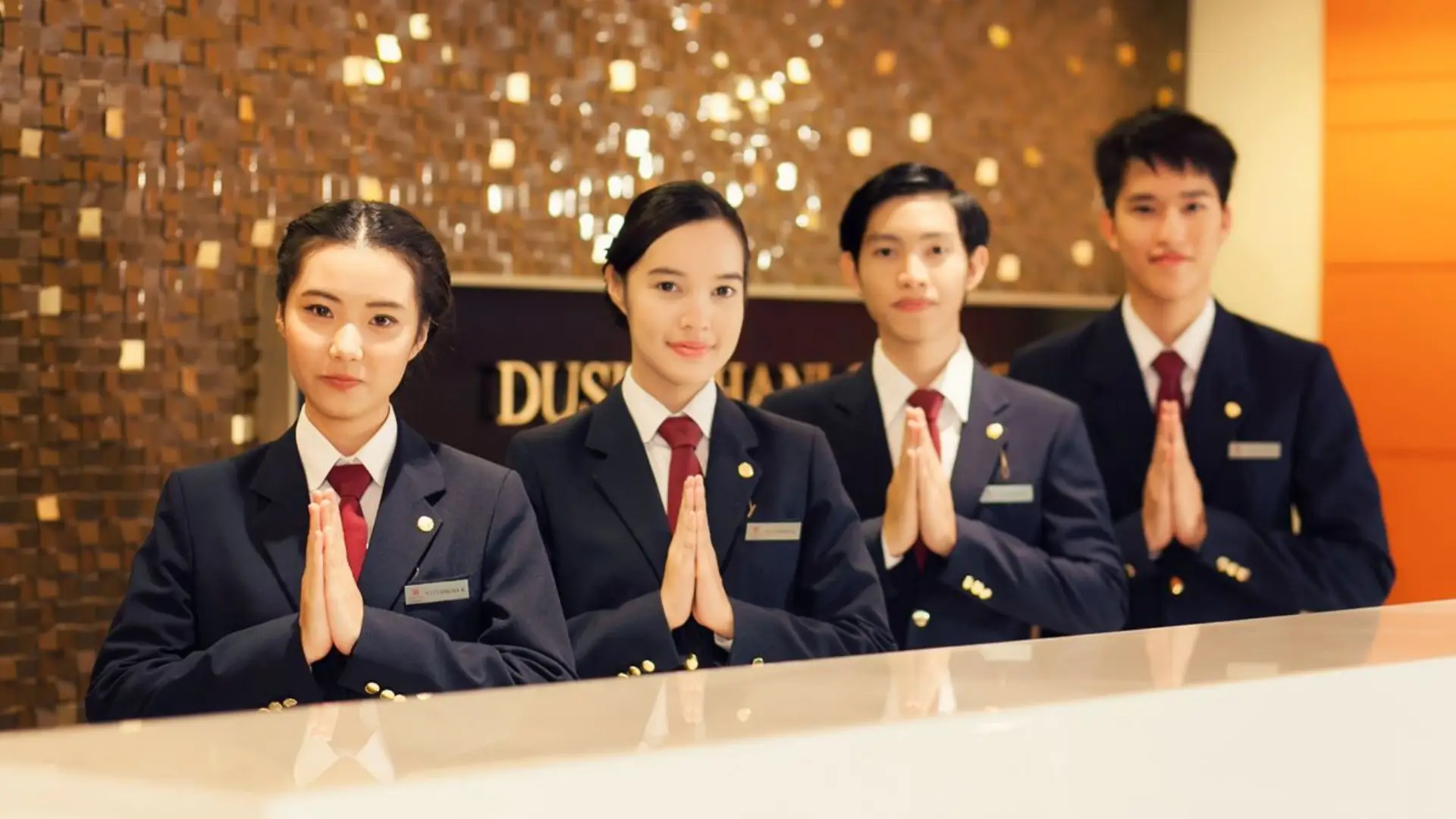
The Challenge: Capture the Mood, Not Just the Meaning.
With the global meetings and events sector (MICE) back in full swing, the industry focus has shifted. It’s no longer just about communicating logistics; it’s about curating an experience.
Why You Need Transcreation For hotels and tourism boards, being "correct" isn't enough. You have to be compelling.
The Goal: Your brand voice needs to carry the same warmth, prestige, or excitement in Tokyo as it does in New York.
The Reality: A direct translation of a luxury hotel slogan often falls flat—sounding stiff or surprisingly cold in languages like Chinese or Japanese. To make a guest feel truly welcome, the copy needs to be reimagined by writers who understand the cultural heartbeat of the region, not just the vocabulary.
7. Engineering and Manufacturing
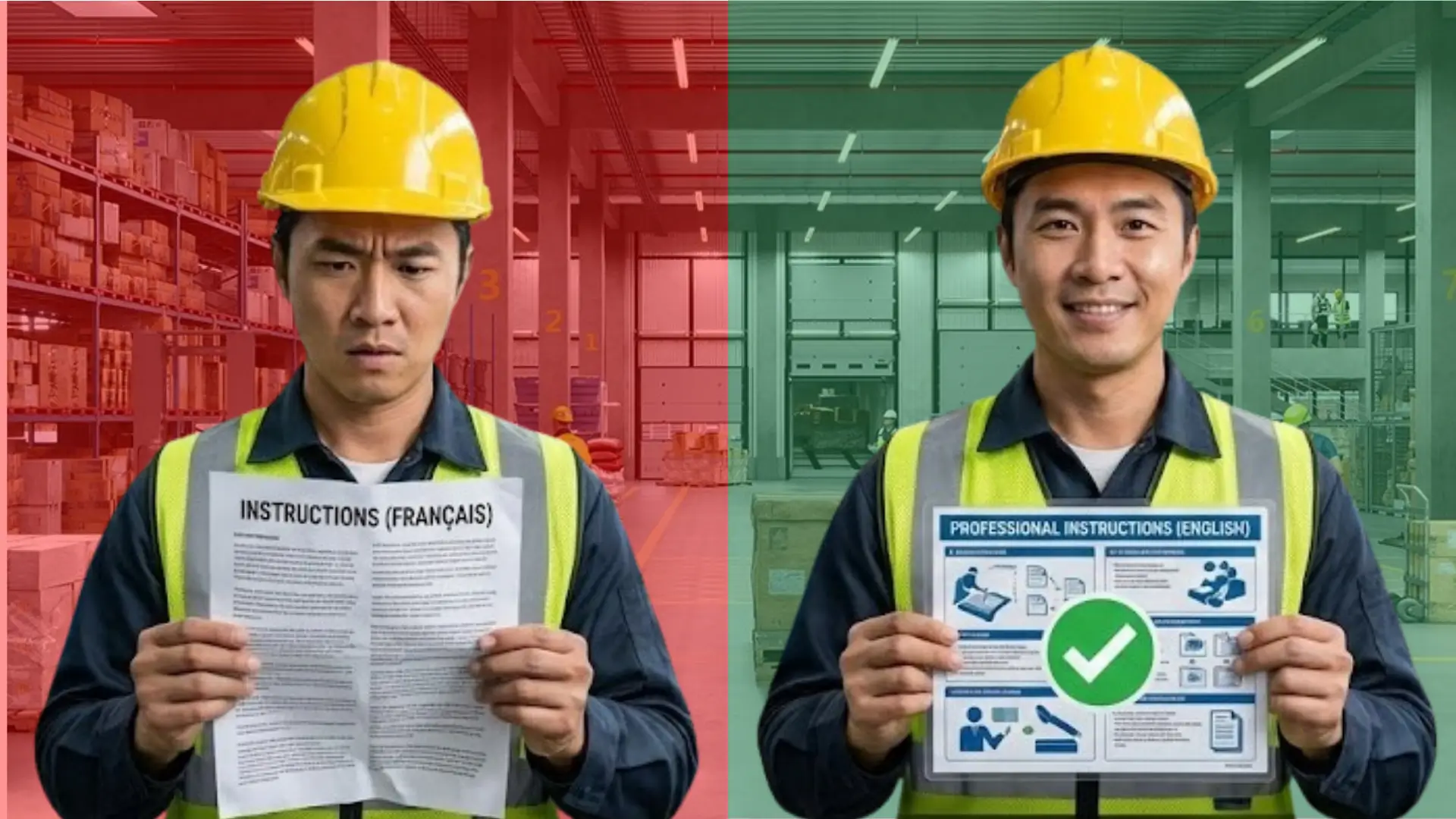
The Challenge: The Backbone of Safety
In engineering , a mistranslation isn't a PR problem; it's a physical hazard.
The "Lockout/Tagout" Risk
Ambiguity in a chemical handling guide or machine manual can lead to severe injury.
- The Solution: We implement Simplified Technical English (STE) before translation. This removes ambiguity (e.g., words with double meanings) to ensure the target translation is crystal clear for operators on the factory floor.
Summary: Translation Requirements at a Glance
| Industry | Primary Regulator | The "Must-Have" | Strategic Focus |
|---|---|---|---|
| Legal | ICA / SAL | Notarization (for ICA) | Zero-Omission: Stamps, seals & layout. |
| Healthcare | HSA | GN-23 Compliance | Patient Safety: Dialect transcreation. |
| Finance | MAS | ISO 20022 | Data Integrity: Numeric precision. |
| Real Estate | CEA | Code of Ethics | Clarity: Preventing lawsuits. |
| Technical | MOM / NEA | Safety Compliance | Clarity: STE implementation. |
Conclusion: Don't Let Language Be Your Liability
In Singapore’s high-compliance ecosystem, translation is no longer just an administrative task it is a strategic function of risk management. Whether you are navigating the "Zero-Omission" requirements of the ICA, the safety protocols of the HSA, or the data integrity standards of the MAS, the cost of "good enough" is simply too high.
By 2026, the difference between a successful merger, a seamless PR approval, or a safe medical product launch will often come down to the precision of your paperwork. You don't just need a translator who speaks the language; you need a partner who speaks the regulation
At Lettercrafts , we don't just translate words; we secure your business interests. From notarized legal documents to transcreated marketing campaigns, our linguists are subject-matter experts who understand the rigorous demands of Singapore’s regulatory bodies.
If your business operates in these high-stakes sectors, a translation error is a risk you cannot afford.
Click here to request a free Translation Audit if you need a specific checklist for ICA or HSA compliance.